Sewer Repair in Austin, TX
Sewer repair services address issues within the underground sewer lines that carry wastewater away from residential properties. These projects typically involve fixing or replacing broken, cracked, or collapsed pipes, as well as resolving blockages caused by tree roots, buildup, or other obstructions. Property owners interested in sewer repair should understand the scope of the work, which may include locating the affected pipe segment, assessing the extent of damage, and choosing appropriate repair methods such as pipe lining or replacement to restore proper function.
Before requesting sewer repair, homeowners often want to know about common causes of sewer problems, signs indicating a need for service, and the potential impact on their property. Clear communication about the process, including what to expect during repairs and any necessary preparations, can help property owners make informed decisions. Understanding the different repair options and their implications ensures that repairs are effective and suited to the specific needs of the property.
Many property owners in Austin, TX look into Sewer Repair for repairs, replacements, upgrades, and appearance-related improvements.
Common Sewer Issues
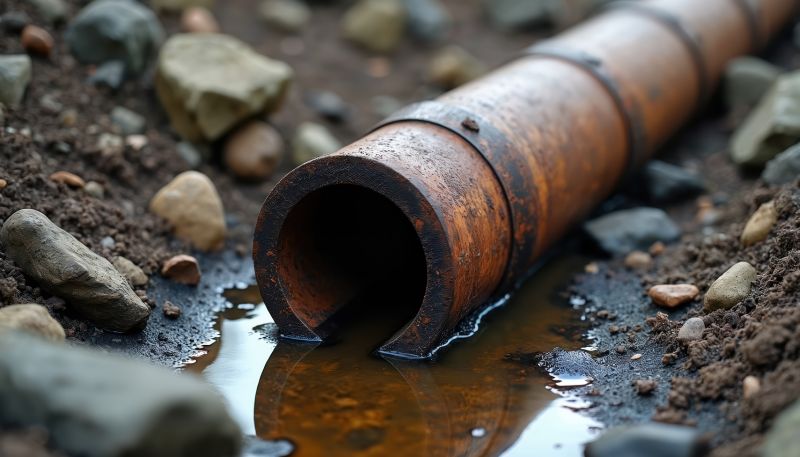
Identifying problems like clogs, leaks, and backups that can disrupt your property.
Repair Techniques
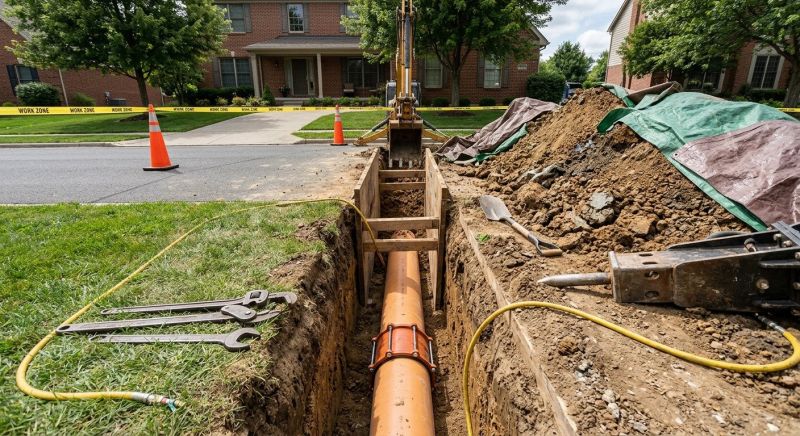
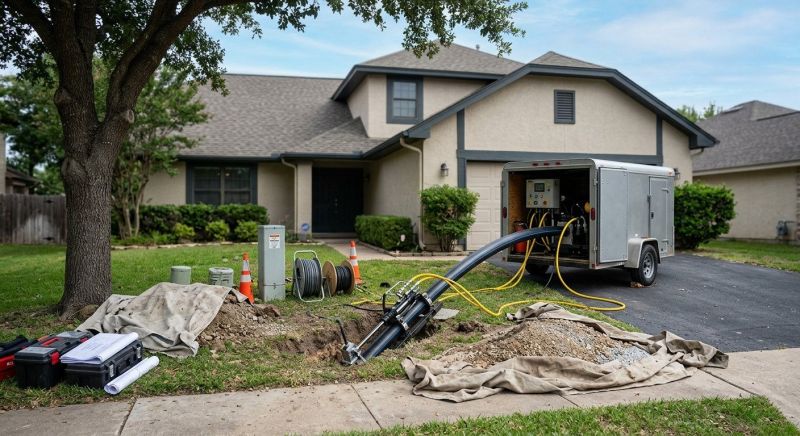
Using trenchless and traditional methods to restore sewer line functionality efficiently.
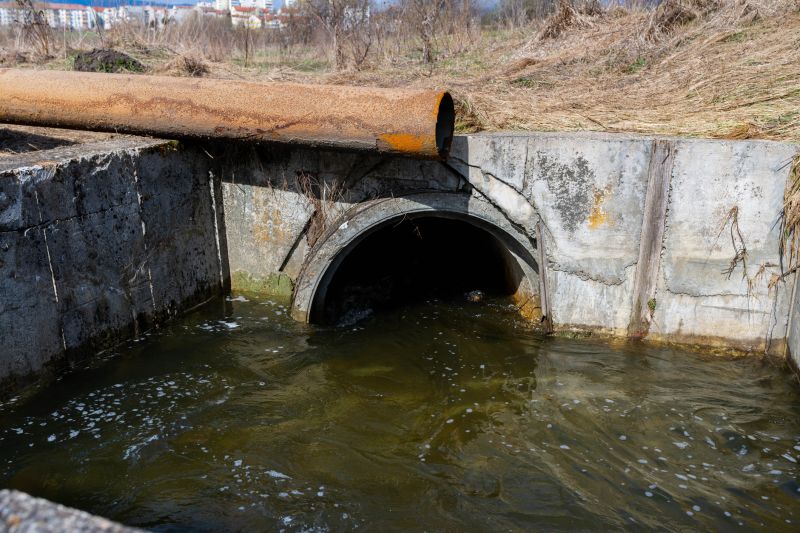
Preventative Maintenance
Tips for avoiding future sewer problems and maintaining a healthy plumbing system in austin homes.
Sewer Repair in Austin, TX

Sewer repair services address issues within the underground sewer lines that carry wastewater away from residential properties. These projects typically involve fixing or replacing broken, cracked, or collapsed pipes, as well as resolving blockages caused by tree roots, buildup, or other obstructions. Property owners interested in sewer repair should understand the scope of the work, which may include locating the affected pipe segment, assessing the extent of damage, and choosing appropriate repair methods such as pipe lining or replacement to restore proper function.
Before requesting sewer repair, homeowners often want to know about common causes of sewer problems, signs indicating a need for service, and the potential impact on their property. Clear communication about the process, including what to expect during repairs and any necessary preparations, can help property owners make informed decisions. Understanding the different repair options and their implications ensures that repairs are effective and suited to the specific needs of the property.
Many property owners in Austin, TX look into Sewer Repair for repairs, replacements, upgrades, and appearance-related improvements.
Common Sewer Repair Jobs
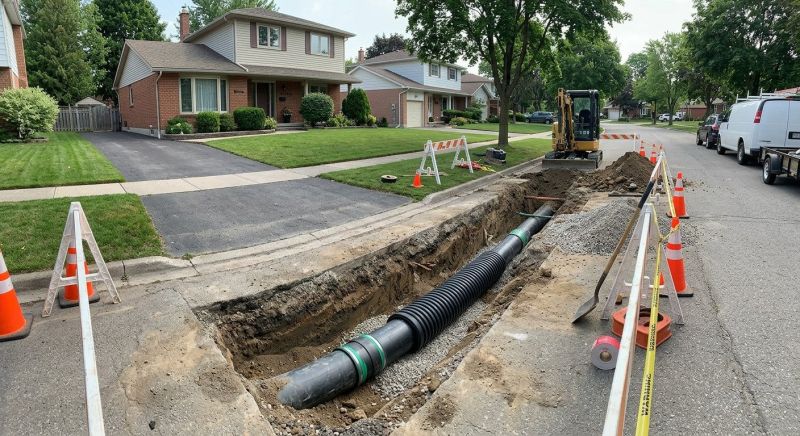
Trenchless Sewer Repair - minimally invasive methods restore sewer lines without extensive digging.
Sewer Line Replacement - complete removal and installation of new sewer pipes when repairs are not enough.
Pipe Leak Detection - pinpointing leaks within sewer lines to prevent water damage and reduce costs.
Sewer Line Clearing - removing blockages caused by roots, debris, or buildup for proper flow.
Emergency Sewer Repairs - prompt solutions for urgent sewer issues that threaten property or safety.
Sewer Inspection Services - camera inspections to identify problems and plan effective repairs.
Sewer Repair Questions
What are common signs of sewer problems? Indicators include persistent odors, slow drains, gurgling sounds, and backups in toilets or sinks.
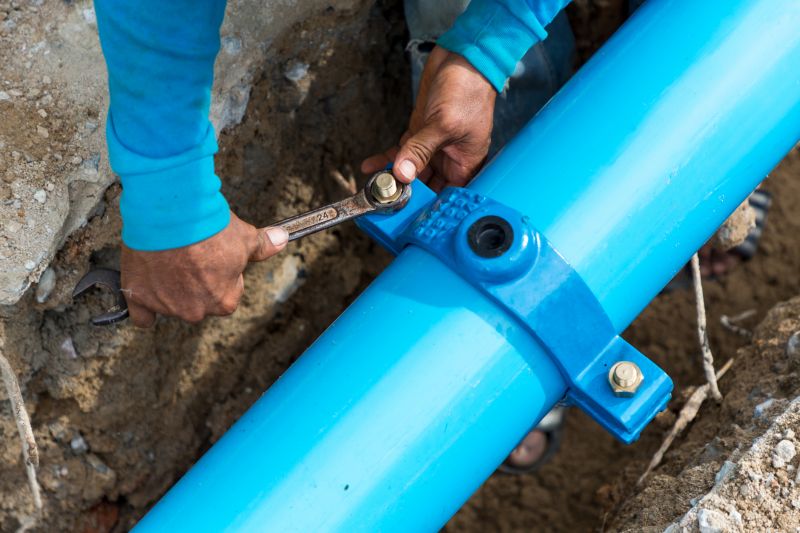
How is sewer damage typically repaired? Repairs may involve replacing damaged pipe sections, clearing blockages, or installing new sewer lines as needed.
What causes sewer lines to fail? Causes include tree root intrusion, corrosion, ground shifting, and buildup of debris or grease.
Is excavation always necessary for sewer repairs? Not always; some issues can be fixed with trenchless methods that minimize surface disruption.
Request Sewer Repair in Austin, TX
Use the quote form on this page to share the basics of your project and request more information for the type of work you need.