Septic Tank Pumping: Austin
Get Septic Tank Pumping in Austin, TX
Septic tank pumping services help Austin-area property owners prevent backups, remove sludge buildup, and maintain proper system function through professional cleaning and maintenance by local contractors.
Property owners in Austin, TX, who rely on septic systems understand the importance of regular maintenance to keep everything functioning smoothly. Septic tank pumping is a practical step to prevent issues like backups, odors, or system failures that can disrupt daily life. Whether managing a residential property or a commercial site, exploring local contractors who specialize in septic services can help ensure the job is handled efficiently and effectively, giving peace of mind that the system is in good condition.
For those planning property projects or simply seeking to maintain their land’s infrastructure, comparing options among local service providers can be a valuable part of the process. Many Austin-area contractors offer septic tank pumping and related services, making it easier to find a solution that fits specific needs. Continuing to explore these options can help property owners make informed decisions about maintaining their septic systems and avoiding potential complications down the line.
- Septic Tank Pumping - needed when a septic system in neighborhoods around Austin, TX shows signs of backup or slow drainage.
- Septic Tank Inspection - recommended if there are foul odors or standing water near the septic area in local communities.
- Septic System Maintenance - essential for homeowners in areas with aging tanks to prevent costly repairs or failures.
- Septic Tank Cleaning - required when sludge buildup exceeds recommended levels, especially in rural or suburban properties.
- Septic System Repairs - necessary after system failures or damage caused by heavy rainfall or improper usage in nearby neighborhoods.
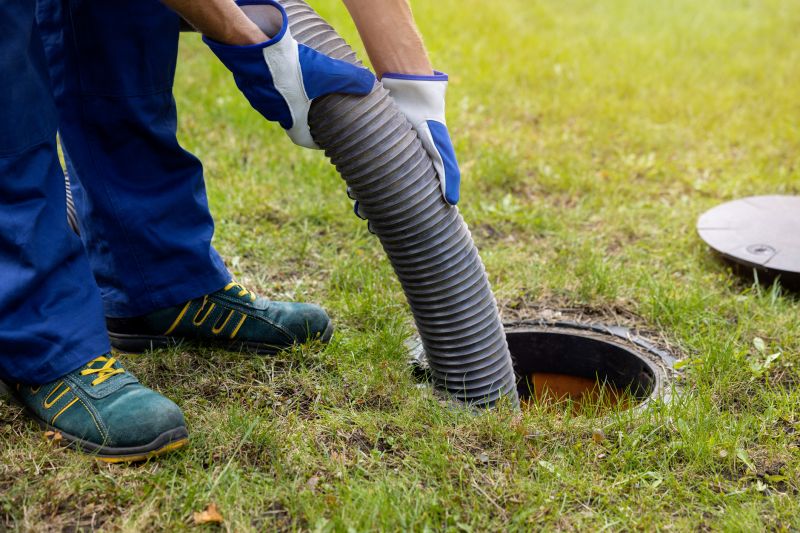
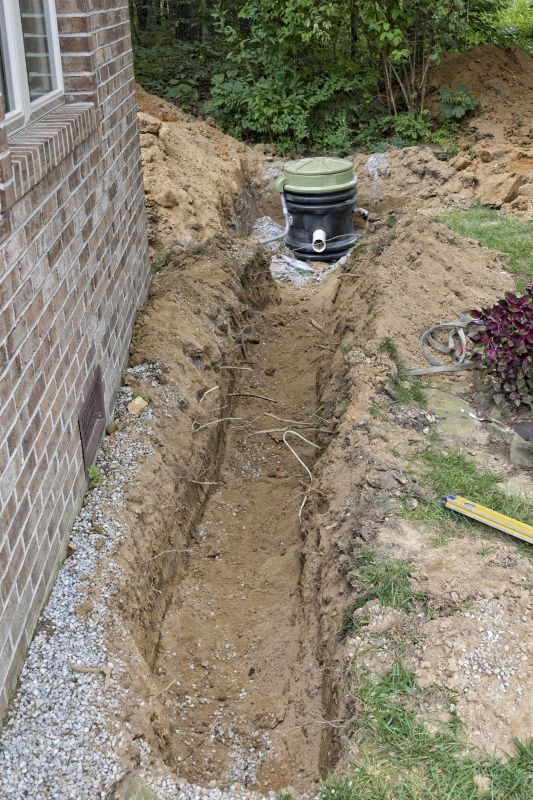
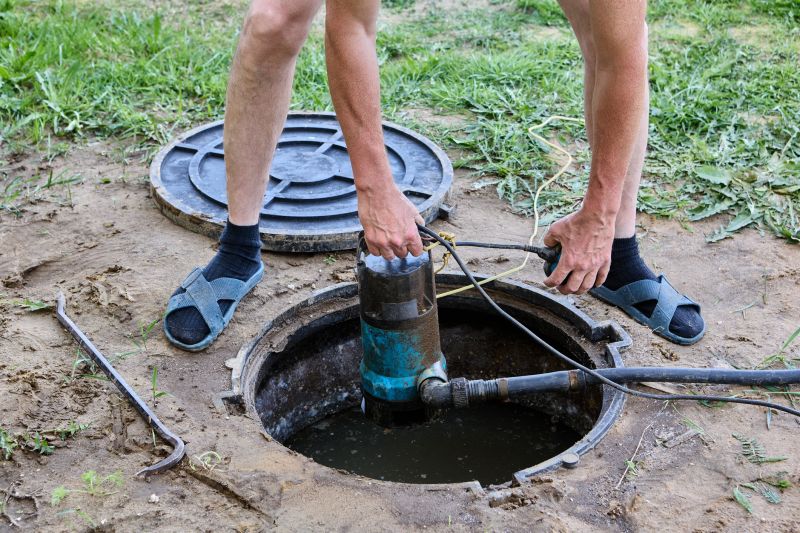
Septic tank pumping services involve the removal of accumulated sludge, scum, and other solids from a property's septic tank. Over time, these materials build up and can hinder the tank's ability to function properly. Professional contractors use specialized equipment to safely and efficiently pump out the contents, helping to keep the system running smoothly. Regular pumping is essential to prevent backups, odors, and costly repairs, making it a key part of maintaining a healthy septic system.
This service addresses common problems such as slow drains, foul odors, and sewage backups in the home or property. When solids are allowed to accumulate beyond recommended levels, they can clog the system and cause wastewater to overflow. Septic tank pumping helps prevent these issues by removing the buildup before it causes damage or health hazards. It is also a proactive measure that can extend the lifespan of the septic system and reduce the likelihood of emergency repairs.
Properties that typically require septic tank pumping include rural homes, farms, and properties not connected to municipal sewer lines. These systems are often found on residential properties with large yards, vacation homes, or commercial facilities such as small businesses or rental properties in areas where sewer access is limited. Regular pumping is especially important for properties with high water usage or those that generate a significant amount of waste, ensuring the septic system remains functional and compliant with local regulations.
Knowing when to schedule septic tank pumping is crucial for homeowners and property managers. Signs that indicate a need for service include slow-draining sinks and toilets, gurgling sounds in the plumbing, or standing water around the septic tank area. Experienced service providers can assess the system’s condition, perform the necessary pumping, and provide advice on maintaining the system between services. Connecting with local contractors ensures that septic tank maintenance is handled efficiently and effectively, helping property owners avoid costly repairs and system failures.
The overview below groups typical Septic Tank Pumping projects into broad ranges so you can see how smaller, mid-sized, and larger jobs often compare in Austin, TX.
In many markets, a large share of routine jobs stays in the lower and middle ranges, while only a smaller percentage of projects moves into the highest bands when the work is more complex or site conditions are harder than average.
Routine Pumping - Typical costs for regular septic tank pumping in Austin range from $250 to $600 for many smaller jobs. Most routine maintenance falls within this middle range, depending on tank size and accessibility. Fewer projects will push into the higher tiers for larger or more complex systems.
Septic Tank Inspection - Inspection services generally cost between $100 and $300, with many local contractors offering assessments as part of routine maintenance. This cost can vary based on the depth of inspection needed and the tank’s location on the property.
Repair and Maintenance - Minor repairs, such as fixing a pump or replacing a baffle, typically cost between $300 and $1,200. Larger repairs or component replacements can reach $2,500 or more, though most projects land in the lower to middle part of this range.
Full System Replacement - Replacing an entire septic system can cost between $3,500 and $7,000, with larger or more complex installations potentially exceeding $10,000. These projects are less common and tend to fall into the higher end of the cost spectrum.
Actual totals will depend on details like access to the work area, the scope of the project, and the materials selected, so use these as general starting points rather than exact figures.
Drain Field Repair - local contractors often handle drain field repairs that require similar excavation and soil assessment skills as septic tank pumping.
Septic System Inspection - inspecting septic systems involves assessing tank conditions and flow, which complements the knowledge needed for pumping services.
Septic Tank Installation - installing new septic tanks requires planning, site preparation, and understanding of underground systems similar to pumping projects.
Drain Line Cleaning - cleaning and clearing drain lines involves equipment and techniques that are also used during septic tank maintenance.
Grease Trap Pumping - pumping grease traps shares equipment and procedural similarities with septic tank pumping, focusing on waste removal.
Soil Testing and Site Assessment - soil testing for septic system placement involves planning and soil analysis skills applicable to septic system servicing.
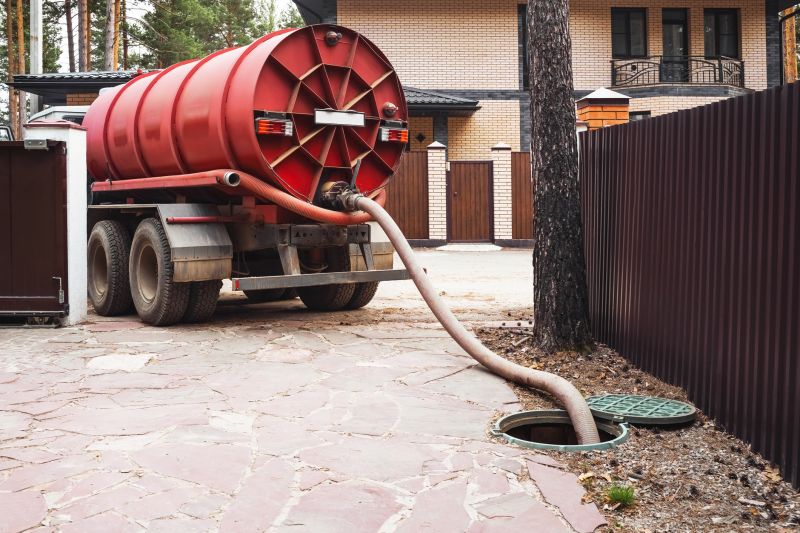
When evaluating septic tank pumping service providers in the Austin area, it’s important to consider their experience handling similar projects. Homeowners should look for local contractors who have a proven track record with septic systems comparable to their own, whether it's a residential property or a larger estate. An experienced service provider will understand the unique characteristics of local soil conditions and septic system types, helping to ensure the job is completed efficiently and effectively.
Clear, written expectations are a key factor in choosing the right septic pumping professional. Homeowners should seek out providers who can offer detailed descriptions of the services included, the process involved, and any preparations needed before work begins. Having this information in writing helps prevent misunderstandings and ensures everyone is aligned on what the project entails, leading to a smoother experience.
Reputable references and strong communication are essential when comparing local contractors. Asking for references or reviews from previous customers can provide insight into the quality of work and reliability of a service provider. Additionally, good communication-such as responsiveness to inquiries and clarity in explanations-can make the entire process more straightforward. The goal is to find a septic tank pumping specialist who is transparent, dependable, and easy to work with, ensuring the project is completed to satisfaction.
Property owners in Austin, TX use Septic Tank Pumping services for practical projects around their homes and businesses. This guide focuses on everyday jobs and straightforward project options.
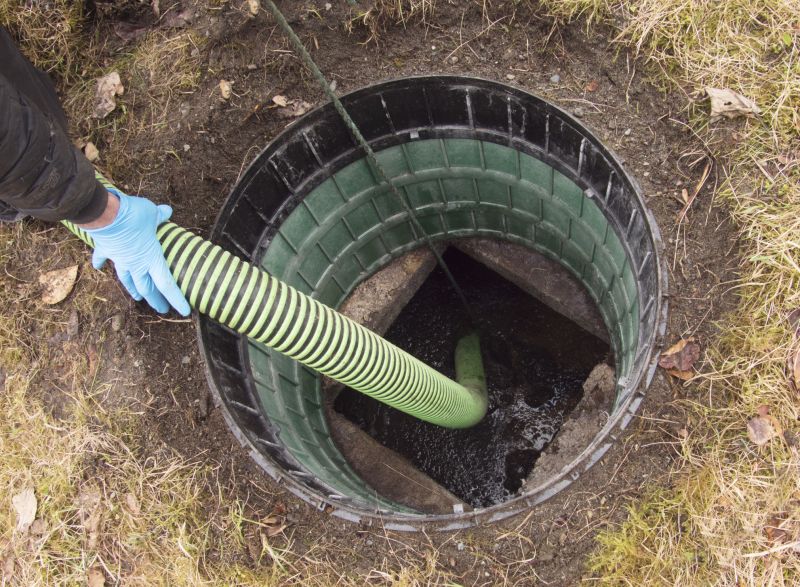
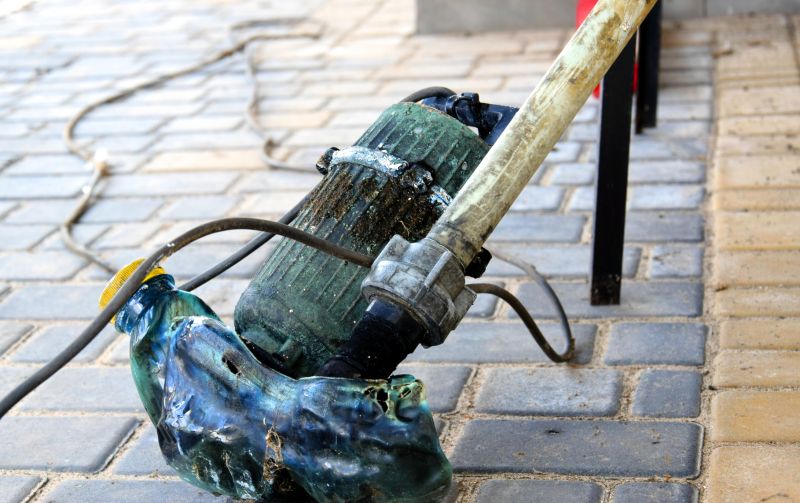
Septic tank pumping is a common service that property owners in Austin, TX might need when their tanks become full or start to emit odors. Homeowners with septic systems often schedule routine pumping to prevent backups and maintain proper function, especially in areas where municipal sewer lines are not available. Additionally, those preparing for property inspections or planning renovations may seek professional pumping to ensure their systems are in good condition and compliant with local regulations.
Situations such as slow drains, gurgling sounds, or standing water in the yard can indicate that a septic tank needs attention. Property owners might also look for septic pumping services after noticing increased use during gatherings or seasonal changes that lead to higher water and waste levels. Local contractors can handle these projects efficiently, helping residents keep their systems working smoothly and avoid costly repairs down the line.
What is septic tank pumping? Septic tank pumping involves removing accumulated sludge and scum from a septic system to ensure proper function and prevent backups.
How often should septic tanks be pumped? The frequency of pumping depends on tank size and household usage, but generally, it is recommended every 3 to 5 years.
What are signs that septic tank pumping might be needed? Signs include slow drains, unpleasant odors, or standing water around the septic tank area, indicating it may be full or clogged.
What should be considered when choosing a septic tank service provider? It's important to select experienced local contractors who can handle the pumping and maintenance of septic systems properly.
What are the benefits of regular septic tank maintenance? Regular maintenance helps prevent system failures, extends the lifespan of the tank, and maintains proper wastewater treatment.
Preventative Maintenance - Regular septic tank pumping can help property owners avoid costly backups and ensure the system functions smoothly for daily use.
Property Renovations - Septic tank pumping is essential before adding new fixtures or expanding a property to accommodate increased wastewater capacity.
Seasonal Preparation - Pumping the septic tank prior to heavy usage periods, like holidays or seasonal changes, helps maintain system reliability.
Emergency Preparedness - Having a septic tank pumped after detecting signs of system issues can prevent further damage and maintain property sanitation.
If you are thinking about Septic Tank Pumping for a property in Austin, TX, this guide is meant to help you understand the work, the typical project types, and how different options might fit your plans.
When you are ready, you can use the quote form on this page to share a few details about your project. From there, local pros can review the basics and respond with options that match what you have in mind.