Septic Tank Pumping: Boulder
Get Septic Tank Pumping in Boulder, CO
Septic tank pumping services for Boulder-area property owners help prevent backups, odors, and system failures by removing accumulated sludge and maintaining proper tank function.
Septic tank pumping is an essential maintenance task for property owners in Boulder, CO, ensuring the proper functioning of private wastewater systems. Regular pumping helps prevent backups, odors, and costly repairs by removing accumulated solids that can impair system performance. Whether managing a residential property or a commercial site, staying on top of septic maintenance can contribute to a healthier, more reliable system that operates smoothly over time. Exploring local contractors who specialize in septic services can provide the insights needed to plan and maintain these systems effectively.
For property owners considering septic tank maintenance, comparing options from nearby service providers can help identify experienced professionals suited to specific needs. Local contractors often understand the unique requirements of Boulder-area properties, offering practical advice and reliable service. Continuing to read can help uncover useful information about how septic tank pumping fits into property management plans and what to look for when selecting a service provider in the area.
- Septic Tank Pumping - needed when a septic system in neighborhoods around Boulder begins to back up or show signs of overuse.
- Septic Tank Pumping - required as part of routine maintenance to prevent system failure in rural areas near Longmont.
- Septic Tank Pumping - necessary after heavy rainfall or flooding to ensure septic tanks are functioning properly in Fort Collins.
- Septic Tank Pumping - recommended when odors develop or wastewater drains slowly from fixtures in nearby communities.
- Septic Tank Pumping - essential when a property change or new construction triggers inspection and servicing of existing septic systems.
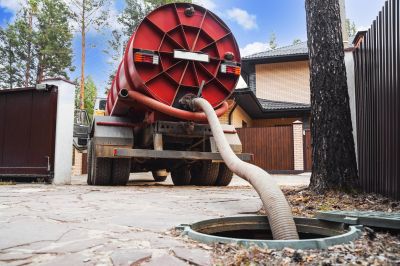
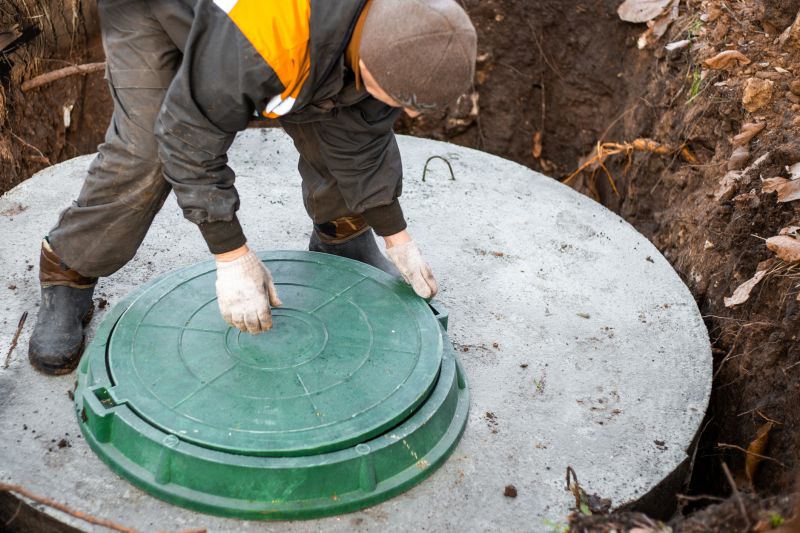
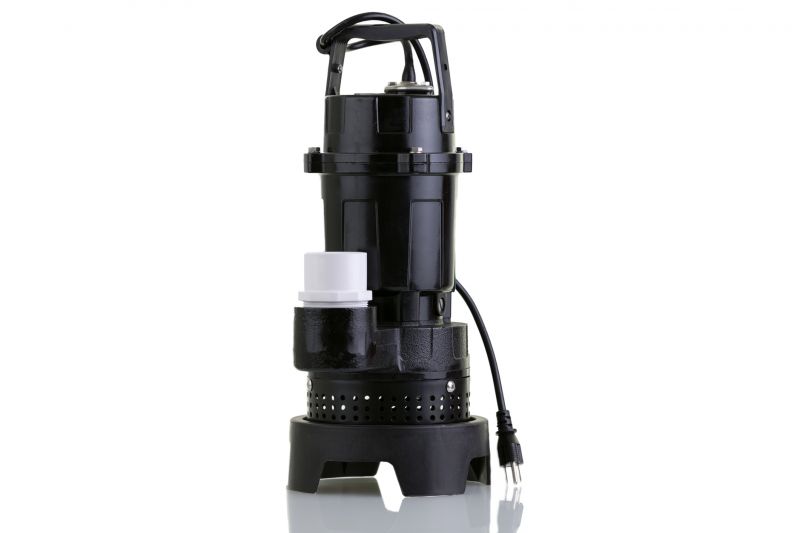
Septic tank pumping services involve the removal of accumulated solids and liquids from a home's septic tank to ensure proper functioning. Over time, waste and sludge build up inside the tank, which can lead to system backups or failures if not regularly maintained. Professional service providers use specialized equipment to safely and effectively pump out the contents, helping to keep the septic system operating smoothly. Regular pumping is essential to prevent issues that could result in costly repairs or inconvenient overflows, especially for homes not connected to municipal sewer systems.
These services help solve common septic system problems such as foul odors, slow drains, or sewage backups in the household. When a septic tank becomes too full, solids can escape into the drain field, causing clogs and damage to the underground soil absorption system. Pumping removes the excess waste, reducing the risk of backups and extending the lifespan of the entire septic system. Routine maintenance like pumping is often recommended based on household size and usage, typically every three to five years, to keep everything working efficiently.
Septic tank pumping is typically needed for residential properties that rely on private septic systems rather than municipal sewer connections. This includes rural homes, properties with large acreage, or those with older systems that haven't been upgraded. Commercial properties, such as small businesses or rental units with septic systems, may also require regular pumping to ensure compliance and proper operation. Homeowners should be aware of signs indicating a need for pumping, such as slow drains, gurgling sounds in plumbing, or standing water around the septic tank area.
Contacting local contractors who specialize in septic tank pumping can help homeowners find experienced professionals to handle this important maintenance task. These service providers have the equipment and expertise to perform thorough cleanings, diagnose potential issues, and advise on proper septic system care. Regular pumping by qualified specialists can prevent costly repairs, avoid system failures, and maintain the health of the household’s wastewater management system. Connecting with trusted local pros ensures the work is done correctly and efficiently, helping property owners keep their septic systems in good condition.
The overview below groups typical Septic Tank Pumping projects into broad ranges so you can see how smaller, mid-sized, and larger jobs often compare in Boulder, CO.
In many markets, a large share of routine jobs stays in the lower and middle ranges, while only a smaller percentage of projects moves into the highest bands when the work is more complex or site conditions are harder than average.
Routine Pumping - Most standard septic tank pumping jobs in Boulder typically cost between $250 and $600. These projects usually involve cleaning out smaller tanks and are common for regular maintenance. Costs can vary based on tank size and accessibility.
Emergency or Urgent Service - Emergency pumping services often range from $400 to $1,000, especially if the job requires quick turnaround or after-hours work. Fewer projects fall into this high-cost band, but they are necessary for urgent situations.
Septic Tank Repair - Repair work such as fixing leaks or replacing components generally costs between $500 and $2,500. Many repairs are moderate in scope and tend to fall within the middle of this range, while more complex issues can push costs higher.
Full System Replacement - Replacing an entire septic system can range from $3,000 to over $10,000, depending on the size and complexity of the installation. Larger, more involved projects are less common but can reach into the higher end of this spectrum.
Actual totals will depend on details like access to the work area, the scope of the project, and the materials selected, so use these as general starting points rather than exact figures.
Drain Field Repair - involves assessing and repairing underground drainage systems, requiring similar planning and excavation skills as septic tank pumping.
Septic Tank Installation - includes installing new septic systems, which shares the need for site evaluation, planning, and heavy equipment use with septic tank pumping.
Wastewater System Maintenance - encompasses routine servicing of various onsite wastewater systems, utilizing similar tools and knowledge as septic tank pumping.
Drainage System Cleaning - involves clearing clogged or blocked drainage pipes, requiring similar equipment and expertise in handling underground piping.
Leach Field Installation - involves setting up or replacing drain fields, which shares planning and excavation skills with septic tank pumping projects.
Tank Inspection Services - includes assessing the condition of septic tanks using specialized tools, complementing the skills needed for pumping and maintenance tasks.
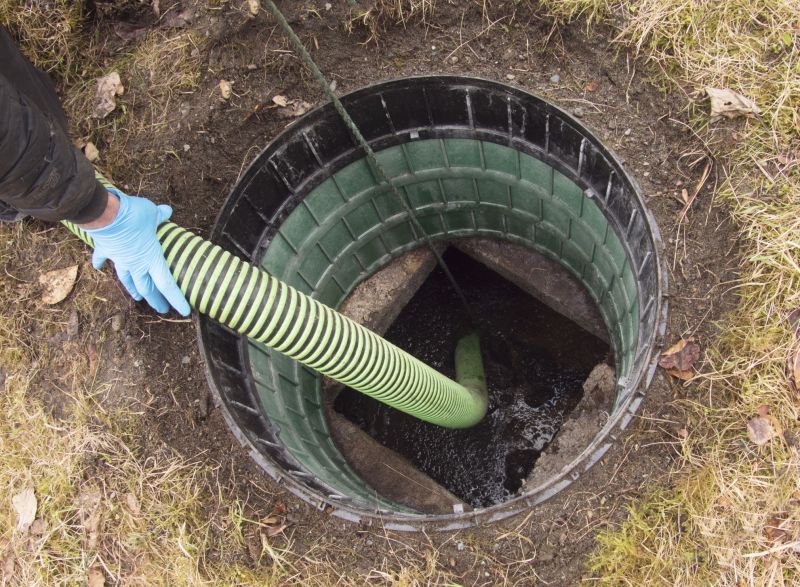
When choosing a septic tank pumping service, it’s important to consider the experience of local contractors with similar projects. Homeowners should look for providers who have a proven track record of handling septic system maintenance in properties comparable to their own. This experience can indicate familiarity with common challenges and the best practices for efficient and effective service. By reviewing the background of different service providers, homeowners can gain confidence that the contractor understands the specific requirements of septic pumping in Boulder, CO, and surrounding areas.
Clear written expectations are essential for ensuring that the scope of work is well-understood by both parties. Homeowners should seek service providers who can provide detailed descriptions of what the septic tank pumping will involve, including any necessary preparations or follow-up steps. Having this information in writing helps prevent misunderstandings and ensures everyone is aligned on the service process. It’s also beneficial to ask for reputable references or reviews from previous clients, as these can offer insights into the contractor’s reliability, professionalism, and quality of work.
Good communication is a key factor when comparing local contractors for septic tank pumping services. Homeowners should prioritize service providers who are responsive and transparent, making it easy to ask questions or clarify details before work begins. A contractor who maintains open lines of communication can help ensure the project proceeds smoothly and that any concerns are addressed promptly. Remember, this site introduces homeowners to local options and does not perform the work itself; selecting a reputable, experienced, and communicative service provider is vital for a successful septic system maintenance experience.
Property owners in Boulder, CO use Septic Tank Pumping services for practical projects around their homes and businesses. This guide focuses on everyday jobs and straightforward project options.
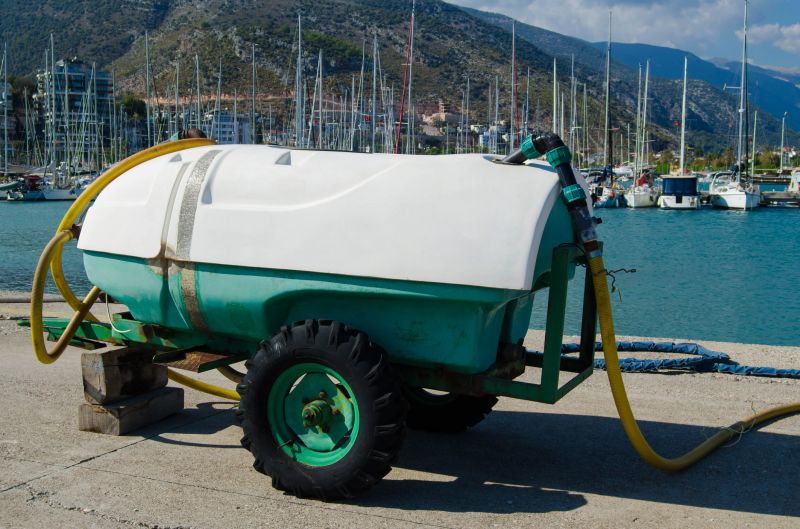
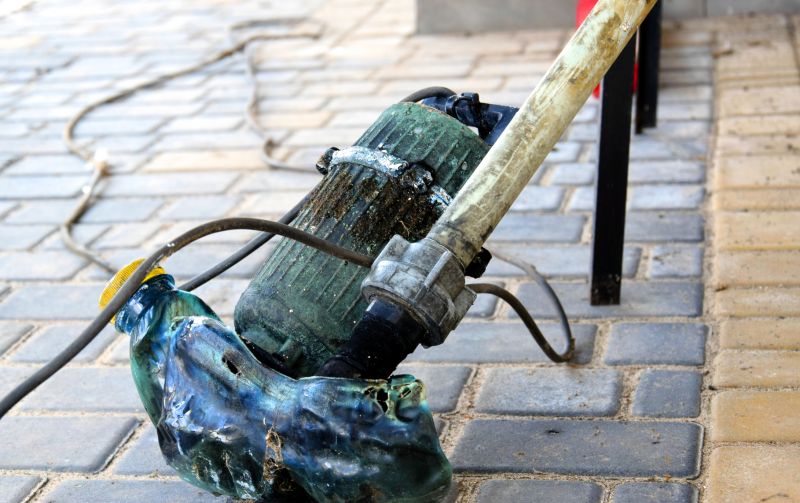
Septic tank pumping is a common necessity for property owners in Boulder, CO, especially for those with homes or businesses that rely on septic systems. Regular pumping helps prevent backups and overflows, which can cause unpleasant odors or property damage. Many property owners seek out local contractors when they notice signs such as slow drains, gurgling sounds in plumbing, or standing water around the septic area. These routine service needs are essential for maintaining a functional septic system and avoiding costly repairs down the line.
In addition to routine maintenance, property owners might look for septic tank pumping services when preparing for property inspections, seasonal changes, or after heavy usage periods. Boulder residents with older systems often require periodic pumping to ensure proper operation. Local service providers are available to handle these projects, offering the expertise needed to keep septic systems in good working order. Contacting experienced contractors can help property owners address these everyday situations efficiently and effectively.
How often should a septic tank be pumped? Septic tanks typically require pumping every 3 to 5 years, depending on usage and tank size. Consulting with local contractors can help determine the optimal schedule for specific needs.
What signs indicate a septic tank needs pumping? Signs may include slow drains, unpleasant odors, or standing water near the tank or drain field. Local service providers can assess and recommend maintenance based on these indicators.
Can septic tank pumping prevent system failures? Regular pumping helps maintain proper function and can reduce the risk of system failures caused by overfilled tanks or accumulated solids. Local contractors can advise on preventative maintenance practices.
What should I do before a septic tank is pumped? It's recommended to ensure easy access to the tank and clear the area around it. Service providers can offer specific instructions for preparing the site.
How can I find qualified septic tank pumping services in Boulder, CO? You can contact local contractors who specialize in septic services to compare options and find providers experienced in serving the Boulder area.
Septic Tank Maintenance - Regular pumping helps property owners keep their septic systems functioning smoothly and avoid costly backups.
Property Expansion Projects - When planning additions or new structures, septic tank pumping ensures the system can handle increased wastewater flow.
Seasonal Property Use - Pumping before extended periods of inactivity, like winter, prevents system issues during times of low usage.
Drain Field Preservation - Proper septic pumping supports the health of drain fields, helping to prevent soil saturation and system failure.
If you are thinking about Septic Tank Pumping for a property in Boulder, CO, this guide is meant to help you understand the work, the typical project types, and how different options might fit your plans.
When you are ready, you can use the quote form on this page to share a few details about your project. From there, local pros can review the basics and respond with options that match what you have in mind.